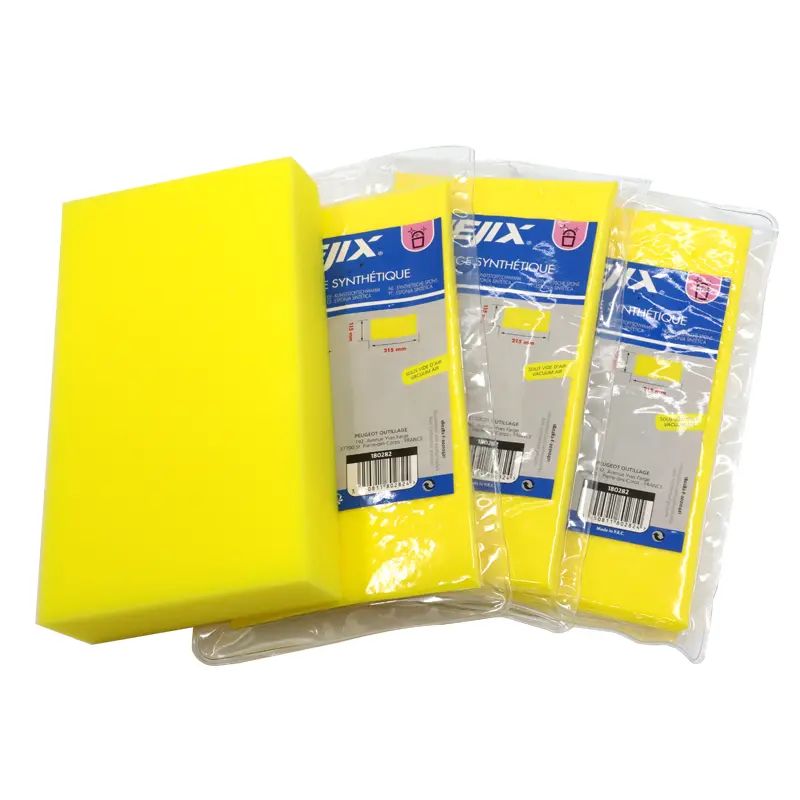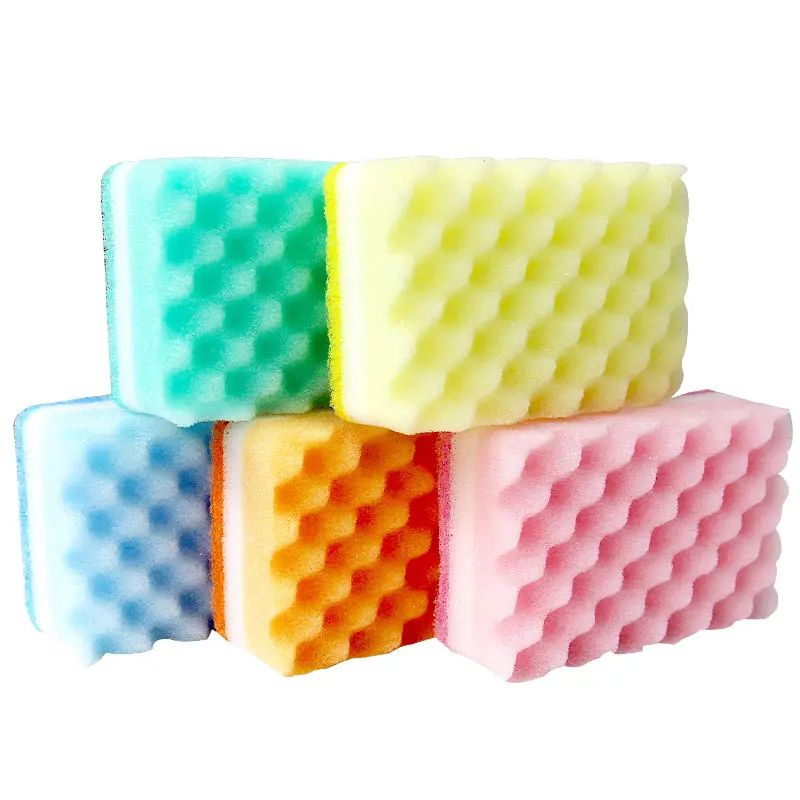


เมื่อต้องทำความสะอาดคราบไขมัน คราบสกปรกในห้องครัว การเลือกฟองน้ำให้เหมาะสมถือเป็นสิ่งสำคัญ ไม่ว่าคุณจะขัดกระทะที่มีคราบมัน เช็ดคราบสกปรกบนเคาน์เตอร์ หรือจัดการกับอาหารอบ สิ่งที่ดีที่สุด ฟองน้ำทำความสะอาดห้องครัว จะทำให้กระบวนการง่ายขึ้นและมีประสิทธิภาพมากขึ้น
1. ฟองน้ำขัดสำหรับงานหนัก
ดีที่สุดสำหรับ : : : : : : : : : : : : : คราบมัน อาหารไหม้ และคราบฝังแน่น
ฟองน้ำขัดสำหรับงานหนักเป็นเครื่องมือสำคัญในการทำความสะอาดจาระบีและเศษอาหารที่เหนียวที่สุด ฟองน้ำเหล่านี้มักจะมีพื้นผิวที่มีฤทธิ์กัดกร่อน มักทำจากวัสดุ เช่น เส้นใยสังเคราะห์หรือแผ่นขัดแบบแข็ง ซึ่งออกแบบมาเพื่อตัดผ่านชั้นของสิ่งสกปรกโดยไม่ทำให้เครื่องครัวเสียหาย เหมาะสำหรับทำความสะอาดกระทะเหล็กหล่อ ถาดอบ และหน้าเตาที่มีคราบมัน ฟองน้ำเหล่านี้มีแนวโน้มที่จะมีการออกแบบสองด้าน โดยด้านหนึ่งอ่อนนุ่มสำหรับทำความสะอาดทั่วไป และด้านที่หยาบกว่าสำหรับคราบฝังลึกที่ฝังแน่น
ตัวเลือกยอดนิยม :
- สก๊อตช์-ไบรต์ ฟองน้ำขัดสำหรับงานหนัก : ฟองน้ำนี้เป็นวัตถุดิบในครัวเรือนเนื่องจากมีความทนทานยาวนาน ขึ้นชื่อในเรื่องพื้นผิวขัดถูที่เหนียว ซึ่งสามารถจัดการกับหม้อและกระทะที่มันเยิ้มที่สุดได้โดยไม่เกิดรอยขีดข่วน ด้านที่ไม่เป็นรอยขีดข่วนของฟองน้ำยังทำให้ปลอดภัยสำหรับพื้นผิวที่บอบบาง
- ฟองน้ำขัดสำหรับงานหนัก O-Cedar : ฟองน้ำประสิทธิภาพสูงอีกชนิดหนึ่ง O-Cedar ได้รับการออกแบบมาเพื่อจัดการกับคราบมัน และมักได้รับการยกย่องว่ามีความทนทานและทนต่อกลิ่น
คุณสมบัติที่สำคัญ :
- การออกแบบสองด้าน: มีฤทธิ์กัดกร่อนสำหรับการทำความสะอาดงานหนัก และนุ่มนวลสำหรับการใช้งานที่ละเอียดอ่อน
- ใช้ได้ดีกับทั้งเครื่องครัวและพื้นผิวเคาน์เตอร์
- ติดทนนานและเหนียวเหนอะหนะกับจาระบี
2. ฟองน้ำไมโครไฟเบอร์
ดีที่สุดสำหรับ : เงางามไร้ริ้วรอย ดูดซับของเหลว และขจัดคราบไขมันอย่างอ่อนโยน
ฟองน้ำไมโครไฟเบอร์ได้รับความนิยมเพิ่มขึ้นเนื่องจากความสามารถในการดูดซับไขมันและเช็ดพื้นผิวให้สะอาดโดยไม่ทิ้งคราบหรือสิ่งตกค้าง ฟองน้ำเหล่านี้ผลิตจากเส้นใยสังเคราะห์ชั้นดีดักจับสิ่งสกปรก ฝุ่น และไขมัน ทำให้พื้นผิวห้องครัวของคุณสะอาดโดยไม่ต้องใช้สารเคมีรุนแรง ฟองน้ำไมโครไฟเบอร์มีประสิทธิภาพเป็นพิเศษในการเช็ดเคาน์เตอร์ อ่างล้างจาน และแม้กระทั่งทำความสะอาดจานที่มันเยิ้ม พวกเขาสามารถขจัดคราบมันเล็กน้อยและคราบอาหารกระเด็นโดยที่ยังคงไว้ซึ่งพื้นผิวที่ไร้รอยเปื้อน
ตัวเลือกยอดนิยม :
- ฟองน้ำทำความสะอาดไมโครไฟเบอร์ E-Cloth : ฟองน้ำไมโครไฟเบอร์นี้เป็นตัวเลือกอันดับต้นๆ ในการทำความสะอาดพื้นผิวห้องครัวแบบไร้สารเคมี ช่วยขจัดคราบไขมันได้อย่างมีประสิทธิภาพโดยยังคงรักษาความสมบูรณ์ของพื้นผิวที่ละเอียดอ่อน อีกทั้งยังแห้งเร็วป้องกันการเจริญเติบโตของแบคทีเรีย
- สครับแดดดี้ฟองน้ำไมโครไฟเบอร์ : ขึ้นชื่อเรื่องการออกแบบที่ไม่ขัดถู สามารถยกไขมันได้โดยไม่ทำให้เครื่องครัวที่ไม่ติดเป็นรอย เป็นตัวเลือกที่ยอดเยี่ยมสำหรับการทำความสะอาดเพื่อบำรุงรักษาเป็นประจำ
คุณสมบัติที่สำคัญ :
- อ่อนโยนต่อพื้นผิวแต่มีประสิทธิภาพในการต่อต้านจาระบี
- ดูดซับของเหลวและสิ่งสกปรกโดยไม่ทิ้งสารตกค้าง
- แห้งเร็วป้องกันการเจริญเติบโตของแบคทีเรีย
3. ฟองน้ำเซลลูโลส
ดีที่สุดสำหรับ : ดูดซับของเหลวและทำความสะอาดคราบไขมันบางเบา
ฟองน้ำเซลลูโลสทำจากเส้นใยธรรมชาติที่ช่วยดูดซับได้ดีมาก เหมาะอย่างยิ่งสำหรับการทำความสะอาดสิ่งที่หกและเช็ดพื้นผิว ฟองน้ำเหล่านี้สามารถย่อยสลายได้ทางชีวภาพ ทำให้เป็นตัวเลือกที่เป็นมิตรกับสิ่งแวดล้อมสำหรับผู้ที่ต้องการลดผลกระทบต่อสิ่งแวดล้อม แม้ว่าฟองน้ำสังเคราะห์อาจไม่มีประสิทธิภาพในการขัดคราบไขมันหนักเท่าฟองน้ำสังเคราะห์ แต่ก็เหมาะสำหรับงานทำความสะอาดทุกวัน เช่น เช็ดพื้นโต๊ะ ซับของเหลวที่หก และขจัดคราบไขมันบางๆ
ตัวเลือกยอดนิยม :
- Spongex ฟองน้ำเซลลูโลส : ฟองน้ำนี้ผลิตจากวัสดุเซลลูโลสธรรมชาติซึ่งดูดซับของเหลวและไขมันได้อย่างรวดเร็ว เหมาะสำหรับเช็ดพื้นผิวหลังปรุงอาหาร
- คาซาเบลล่า ฟองน้ำเซลลูโลส : ฟองน้ำนี้ขึ้นชื่อเรื่องความทนทานและแห้งเร็ว เหมาะสำหรับการดูดซับไขมันและทำความสะอาดสิ่งที่หกเลอะเทอะ
คุณสมบัติที่สำคัญ :
- เป็นมิตรกับสิ่งแวดล้อมและย่อยสลายได้
- ดูดซับได้สูง เหมาะสำหรับทำความสะอาดของเหลวที่หกรั่วไหล
- อ่อนโยนต่อพื้นผิว ทำให้ปลอดภัยกับทุกเครื่องครัว
4. ฟองน้ำขนทองแดงหรือเหล็ก
ดีที่สุดสำหรับ : คราบมันติดแน่นและอาหารอบ
ฟองน้ำใยทองแดงหรือใยเหล็กเป็นวิธีแก้ปัญหาที่ตอบโจทย์ปัญหาครัวเลอะเทอะที่ยากที่สุด เมื่ออบจาระบีลงในกระทะหรือมีเศษอาหารติดอยู่บนเตา ฟองน้ำเหล่านี้สามารถขจัดคราบฝังแน่นออกได้ พื้นผิวที่มีฤทธิ์กัดกร่อนทำให้มีประสิทธิภาพในการตัดผ่านคราบสกปรกที่อบออกมา แต่ควรใช้ด้วยความระมัดระวังบนพื้นผิวที่ไม่ติด เนื่องจากอาจทำให้เกิดรอยขีดข่วนได้ โดยเฉพาะฝอยขัดหม้อเหมาะสำหรับทำความสะอาดเครื่องครัวและเตาย่างที่สกปรกมากจากจาระบีหรืออาหารที่มีคาร์บอน
ตัวเลือกยอดนิยม :
- แผ่นสบู่ขนแกะ Brillo Steel : แผ่นเหล่านี้ชุบด้วยสบู่ทำให้ง่ายต่อการขัดคราบมันและคราบเหนียวออก มีประสิทธิภาพสูงในการขจัดคราบฝังแน่น
- สครับแดดดี้ทองแดงฟองน้ำ : ฟองน้ำนี้ทำจากเส้นใยทองแดงซึ่งมีฤทธิ์กัดกร่อนอ่อนโยนกว่าฝอยขัดหม้อ แต่ยังคงขจัดคราบจาระบีได้อย่างมีประสิทธิภาพโดยไม่ทำลายพื้นผิวส่วนใหญ่
คุณสมบัติที่สำคัญ :
- มีฤทธิ์กัดกร่อนสูง เหมาะสำหรับคราบฝังแน่น
- ใช้งานได้ดีกับเตาย่าง เหล็กหล่อ และเครื่องครัวที่สกปรกมาก
- สามารถขีดข่วนพื้นผิวที่บอบบางได้ ดังนั้นควรใช้ด้วยความระมัดระวัง
5. ฟองน้ำขัดผิวแบบไม่มีรอยขีดข่วน
ดีที่สุดสำหรับ : พื้นผิวบอบบางแต่ยังคงความมันได้ดี
ฟองน้ำขัดแบบไม่ป้องกันรอยขีดข่วนได้รับการออกแบบมาสำหรับผู้ใช้ที่ต้องการเครื่องมือทำความสะอาดที่ทรงพลังโดยไม่เสี่ยงต่อการทำลายพื้นผิวห้องครัว ฟองน้ำเหล่านี้เหมาะสำหรับทำความสะอาดเครื่องครัวที่ไม่ติด เตาตั้งพื้นที่ทำจากแก้ว และเคาน์เตอร์โดยไม่ทิ้งรอยขีดข่วน Their non-abrasive surfaces are effective for light to moderate grease removal, and they are a safer option for maintaining the appearance of your cookware.
ตัวเลือกยอดนิยม :
- สก๊อตช์-ไบรต์ ฟองน้ำขัดผิวกันรอยขีดข่วน : ทางเลือกที่นิยมสำหรับห้องครัวส่วนใหญ่ ฟองน้ำนี้อ่อนโยนพอสำหรับเครื่องครัวที่ไม่ติดแต่ก็ทรงพลังพอที่จะขจัดคราบไขมันได้
- ฟองน้ำขัดผิว Clorox Non-Scratch : ออกแบบมาเพื่อการทำความสะอาดอย่างปลอดภัยบนพื้นผิวหลายประเภท ช่วยขจัดคราบไขมันได้ดีเยี่ยมโดยไม่ทำให้เกิดความเสียหาย
คุณสมบัติที่สำคัญ :
- ปลอดภัยสำหรับพื้นผิวที่บอบบาง เช่น กระทะที่ไม่ติด
- อ่อนโยนต่อเครื่องครัวแต่ยังคงเหนียวกับจาระบี
- ทนทานและติดทนนาน
6. ฟองน้ำซิลิโคน
ดีที่สุดสำหรับ : สุขอนามัยและความทนทานยาวนาน
ฟองน้ำซิลิโคนเป็นนวัตกรรมใหม่ที่ช่วยขจัดคราบมันเยิ้ม โดยให้ประโยชน์ที่เหนือกว่าฟองน้ำแบบเดิมๆ ซิลิโคนไม่ดูดซับของเหลวซึ่งแตกต่างจากเซลลูโลสหรือไมโครไฟเบอร์ ซึ่งช่วยลดความเสี่ยงของการสะสมของแบคทีเรีย ฟองน้ำเหล่านี้สามารถขัดคราบไขมันและสิ่งสกปรกออกได้อย่างมีประสิทธิภาพ โดยเฉพาะบนเคาน์เตอร์และจาน และยังใช้กับเครื่องล้างจานได้ ซึ่งทำให้ทำความสะอาดและบำรุงรักษาได้ง่าย นอกจากนี้ยังแห้งเร็วขึ้น ช่วยป้องกันกลิ่นและการเจริญเติบโตของเชื้อรา
ตัวเลือกยอดนิยม :
- ฟองน้ำซิลิโคนขัดผิว : การออกแบบที่ยืดหยุ่นเหมาะอย่างยิ่งสำหรับการขัดพื้นผิวมันเยิ้มโดยยังคงอ่อนโยนต่อเครื่องมือในครัว
- ฟองน้ำล้างจานซิลิโคน Suds2Go : ฟองน้ำมีขนาดกะทัดรัดและทนทาน เหมาะสำหรับใช้ทำความสะอาดคราบจานชามและหม้อ
คุณสมบัติที่สำคัญ :
- แห้งเร็ว ลดการสะสมของแบคทีเรีย
- ยืดหยุ่นและไม่เกิดรอยขีดข่วน เหมาะสำหรับพื้นผิวที่บอบบาง
- เครื่องล้างจานปลอดภัยสำหรับการบำรุงรักษาง่าย
วิธีเลือกฟองน้ำให้เหมาะกับคราบไขมันและคราบฝังแน่น
เมื่อเลือกฟองน้ำทำความสะอาดห้องครัว ต่อไปนี้เป็นปัจจัยบางประการที่ควรพิจารณา:
- ประเภทพื้นผิว : เลือกฟองน้ำที่เหมาะกับพื้นผิวที่คุณกำลังทำความสะอาด สำหรับเครื่องครัวที่ละเอียดอ่อน ฟองน้ำไมโครไฟเบอร์หรือฟองน้ำที่ไม่ทำให้เกิดรอยขีดข่วนจะทำงานได้ดีที่สุด สำหรับการทำความสะอาดงานหนัก ควรใช้ฝอยขัดหม้อหรือฟองน้ำขัดงานหนักจะดีกว่า
- ความทนทาน : ฟองน้ำสังเคราะห์ เช่น ไนลอนและซิลิโคน มีอายุการใช้งานยาวนานและทนทานต่อการสึกหรอมากกว่า ในขณะที่ฟองน้ำเซลลูโลสอาจเสื่อมสภาพเร็วกว่าแต่เป็นมิตรกับสิ่งแวดล้อม
- พลังการทำความสะอาด : พิจารณาประเภทของความยุ่งเหยิงที่คุณกำลังเผชิญอยู่ ฟองน้ำขัดทำงานได้ดีกับคราบฝังแน่น ในขณะที่ฟองน้ำที่นุ่มกว่าจะเหมาะกับการทำความสะอาดแบบเบาๆ มากกว่า
- สุขอนามัย : ฟองน้ำแห้งเร็วเช่นซิลิโคนช่วยป้องกันการเจริญเติบโตของแบคทีเรีย ซึ่งเป็นข้อกังวลหลักสำหรับเครื่องมือในครัวที่เปียกบ่อยๆ
คำถามที่พบบ่อย (FAQ)
1. ฉันควรเปลี่ยนฟองน้ำในครัวบ่อยแค่ไหน?
ขอแนะนำให้เปลี่ยนฟองน้ำสำหรับห้องครัวทุกๆ 1-2 สัปดาห์ หรือเร็วกว่านั้นหากเริ่มมีกลิ่น ฉีกขาด หรือเสื่อมสภาพ
2. ฉันสามารถใช้ฟองน้ำใยเหล็กกับเครื่องครัวที่ไม่ติดได้หรือไม่?
ไม่ ฝอยขัดหม้อมีฤทธิ์กัดกร่อนมากเกินไปสำหรับเครื่องครัวที่ไม่ติดและอาจทำให้สารเคลือบเสียหายได้ ใช้ฟองน้ำหรือไมโครไฟเบอร์ที่ไม่ทำให้เกิดรอยขีดข่วนแทน
3. ตัวเลือกฟองน้ำในครัวที่เป็นมิตรกับสิ่งแวดล้อมที่สุดคืออะไร?
ฟองน้ำเซลลูโลสเป็นตัวเลือกที่เป็นมิตรกับสิ่งแวดล้อมมากที่สุดเนื่องจากสามารถย่อยสลายได้ทางชีวภาพและทำจากเส้นใยธรรมชาติ
4. ฉันจะทำความสะอาดฟองน้ำในครัวได้อย่างไร?
หากต้องการทำความสะอาดฟองน้ำ ให้ล้างฟองน้ำออกให้สะอาดแล้วนำไปใส่ในเครื่องล้างจานหรือไมโครเวฟเป็นเวลา 30 วินาที (ต้องแน่ใจว่าฟองน้ำชื้นเพื่อหลีกเลี่ยงอันตรายจากไฟไหม้)